Whoa! I saw a bundle yesterday that made my jaw drop. Seriously? Front-running, sandwich attacks, backrunning — all inside a single block. Something felt off about the way users still treat transactions like simple bank transfers. My instinct said: this isn’t just about losing a few cents. This is about composability, trust, and whether DeFi stays accessible to regular folks or becomes a playground for bots and miners.
Okay, so check this out — MEV (miner/maximum extractable value) is not a single villain with one mask. It’s a set of behaviors that emerge when transaction order matters. Initially I thought MEV was mostly a nuisance for whale traders, but then I realized it’s a systemic liquidity and UX problem. Actually, wait—let me rephrase that: on one hand MEV creates profit opportunities for searchers and block proposers; though actually, on the other hand, it silently taxes every user interacting with smart contracts. That hidden tax adds up fast, and it’s unevenly distributed.
Here’s what bugs me about mainstream conversations: they treat solutions as purely technical (like private relays) or purely economic (like better gas markets), when in reality you need both. I’m biased, but usability matters. If the defense mechanisms are clunky, people won’t use them, and wallets and protocols will fail at scale. So this piece stitches together technical realities with practical wallet-level options you can use today.
What MEV actually looks like for a user
Short version: you sign a transaction, expecting a trade or a call to happen. Medium version: bots observe that pending transaction in the mempool, estimate profit from reordering it with other operations, and then try to insert their own transactions to extract that profit. Longer thought — and this is important — the reordering may happen via gas wars, private relays, or even collusion with block builders, and the net effect is that your execution price or outcome gets worse than you expected, sometimes catastrophically so.
Imagine you’re swapping tokens on a DEX. You set slippage at 1%. Then a sandwich bot sees your pending trade and places two trades around yours: buy before, sell after. That shifts the pool price and bleeds value off your trade. You paid the same gas, but got worse execution.
Hmm… sometimes it’s subtler. Backrunning can extract MEV by reacting to the state change a transaction causes, capturing profitable opportunities that only appear after your tx executes. And so-called reorg-based strategies raise existential questions: if validators or builders can privately reorg chains to capture value, users are exposed in ways we still don’t fully quantify.
Protocol-level tools (what projects should build)
Protocols can harden themselves. Design choices like batch auctions, randomized ordering, or frequent settlement windows reduce simple ordering-based MEV. Medium-sized projects can adopt batch auctions for concentrated activities (like limit orders), which eliminate profitable per-transaction reordering. Longer term, integrating threshold encryption for mempool submissions — where transactions are encrypted until included — prevents mempool sniping entirely, though that requires ecosystem coordination.
Liquidity design matters. Concentrated liquidity pools and time-weighted mechanisms make it harder for a single transaction to meaningfully swing prices. Also, fee structures that discourage tiny, noisy transactions reduce incentive for profit-seeking bots. But tradeoffs exist: higher friction can reduce participation. On one hand you want protection; on the other hand you want open composability. It’s a balancing act and someone needs to pivot when those tradeoffs become pronounced.
(oh, and by the way…) There are governance and incentive approaches too. Protocols can auction block space to neutral builders or mandate proposer-builder separation. These moves are political and operationally painful, but they shift where the MEV accrues.
Wallet-level defenses — the practical stuff users can do now
Wallets are the frontline. They see the transaction before it reaches the mempool and can apply mitigations like transaction simulation, private submission, bundle creation, and user-friendly warnings. I’ll be honest — few wallets invest deeply here, and that bugs me. You need a wallet that simulates path-dependent effects (how slippage, price impact, and pending state changes affect your outcome) and gives actionable advice.
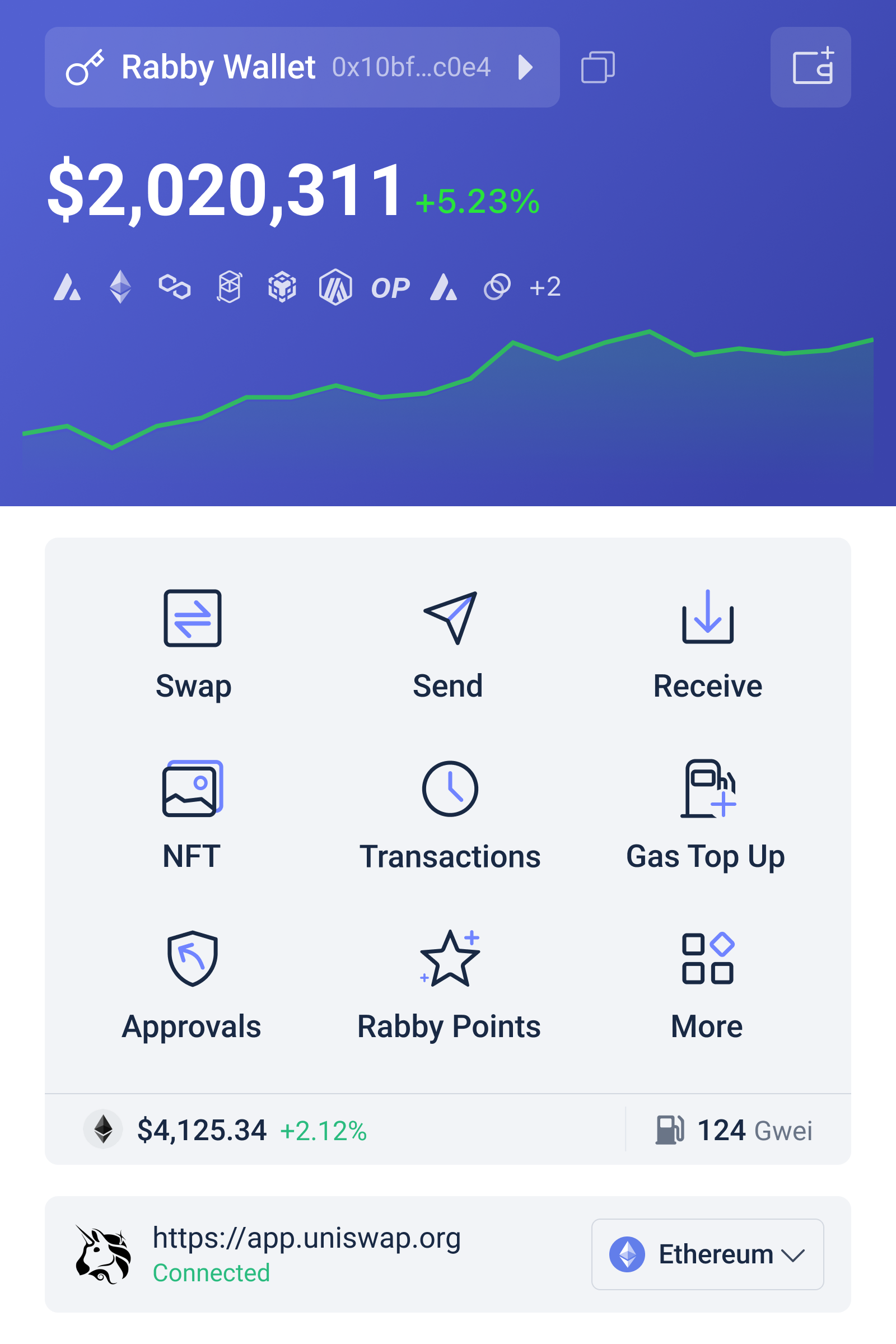
If you want a real example, try a wallet that simulates transactions and offers private submission, where your tx goes directly to a block builder or searcher without hitting the global mempool. One such practical option is rabby wallet, which integrates simulation and cleaner UX flows so you can avoid common MEV traps. Their interface surfaces expected slippage and can suggest safer execution paths.
Short bursts help here: “Whoa!” when the simulation shows a 30% slippage event you would have signed blind. Seriously, having that warning saved my friend from a bad swap last month. My friend nearly signed an unlucky trade on a live DEX; simulation flagged a sandwich risk and we rerouted the trade. Little wins like that are crucial.
Wallets can also offer bundling — grouping your transactions into a single package sent to private relays or participating builders. Bundling reduces exposure to public mempool watchers. There’s complexity though: if builders are adversarial or colluding, private submission alone isn’t a panacea. Still, it’s often better than public mempool leakage.
Advanced mitigations and emerging designs
There are several promising technical patterns. One is proposer-builder separation (PBS) with auctioned block construction, which can professionalize block building and reduce opportunistic extraction. Another is MEV-aware matching and DEX primitives that consider searcher strategies when routing orders. And then there’s encrypted mempool submission using ideas from threshold encryption and TEEs — these are harder to deploy but conceptually compelling.
On the analytics side, better tooling helps. Searcher dashboards, block-level MEV monitors, and wallet telemetry let teams see where value is leaking. This lets product decisions be data-driven rather than ideological. I’m not 100% sure which combination will dominate, but a hybrid of privacy-preserving submission and protocol-level redesign seems likely.
Something counterintuitive: sometimes letting a small, well-audited searcher capture value is healthier than exposing users to volatile auctions. That seems backwards, I know. But practically, predictable rent distribution is easier to design for than chaotic, mempool-driven extraction. It’s a design tradeoff: who should capture residual value — protocol, searchers, or users via rebates?
UX matters more than many engineers admit
People will opt out of protections if they add friction. Wallets that hide complexity behind simulation and simple toggles win. Also, education matters: display clear, plain-English explanations of why a transaction might be risky. Medium-length explanations work best — long-form legalese fails. Short alerts with “what to do next” buttons work even better.
I’ll be honest again: good UX is underfunded in crypto. Teams focus on cryptography and consensus, which is necessary, but not sufficient. MEV protection needs product designers and engineers working together to make defenses invisible when they work and obvious when they don’t.
FAQ: Quick answers to common MEV questions
Can I avoid MEV completely?
No. You can reduce exposure significantly via private submission, better slippage controls, and simulation, but zero exposure is unrealistic today. The goal is to make extraction unprofitable or transparent.
Should protocols pay searchers or block builders?
Depends. Some protocols rebate MEV to users or liquidity providers to align incentives. Others prefer auction models. Each choice has distributional effects and governance implications — no free lunch.
Are private relays safe?
They reduce mempool exposure, but they shift trust. If the relay or builder is trustworthy and transparent, private relays can be safer. If not, you may be trading one risk for another.
Final thought — and this is a little reflective: the MEV problem reveals a lot about what DeFi actually needs to be sustainable. It’s not just better smart contracts or shinier economic models. It’s systems thinking: UX, wallet tooling, builder economics, and fair protocol design all have to line up. I’m optimistic, though cautious. There are practical steps teams can take in the short term — such as better transaction simulation, private submission pathways, and clearer UX — and wallets that start there will prevent a lot of user grief.
So yeah, somethin’ to chew on. Use wallets that simulate and protect where possible, watch for emerging protocol changes, and advocate for better visibility into where MEV accrues. There’s real progress happening — just not in a straight line. Very very important: stay skeptical, but stay involved.
Leave a Reply