The psychology behind casino success Understanding your mind while gambling with World Cup 2026 AI Today
The Role of Emotion in Gambling
Gambling is not solely a game of chance; it intertwines with emotions, significantly affecting decisions at the casino. The thrill of winning can create an adrenaline rush that overrides rational thinking, leading players to make impulsive bets. This emotional high can reinforce gambling behavior, as the brain releases dopamine, the neurotransmitter associated with pleasure and reward. For those interested in strategies, incorporating AI picks for World Cup today on aiworldcup2026predictions.com can provide insights that enhance their betting strategies. The more often a player experiences this rush, the more likely they are to return, seeking that same exhilaration.

Additionally, the feeling of loss can evoke strong reactions, leading to what is known as the “gambler’s fallacy,” where players mistakenly believe that past outcomes influence future ones. For instance, after a series of losses, a gambler might feel that a win is ‘due’ and place larger bets in hopes of reversing their fortunes. This emotional rollercoaster can lead to destructive behaviors and misconceptions about luck and chance, making it crucial for gamblers to understand their emotional responses.
Recognizing the emotional triggers that impact decision-making can help gamblers cultivate more strategic approaches. By remaining aware of their feelings, players can better manage their betting strategies, aiming for a balanced mindset. Understanding the psychology behind their emotions can empower individuals to approach gambling with a clear perspective, minimizing the chances of falling into the traps of emotional betting.
Cognitive Biases Affecting Gambling Decisions
Cognitive biases are mental shortcuts that can distort judgment and lead to erroneous conclusions. In gambling, several biases can mislead players. One significant bias is confirmation bias, where gamblers tend to focus on information that supports their beliefs, often overlooking contradictory evidence. For instance, a player may remember their past wins while conveniently forgetting their losses, reinforcing a false sense of skill or strategy. This selective memory can lead to poor decision-making and increased betting.
The illusion of control is another cognitive bias that impacts gamblers. Many believe they can influence the outcome of a game through their actions, such as the way they place bets or how they choose numbers. This belief can be detrimental, as it often leads to overconfidence. Gamblers may engage in riskier behaviors under the false assumption that their choices will affect random outcomes, such as slot machines or roulette spins, creating an unsustainable cycle of wagering.
Understanding these biases can help gamblers make more informed choices. By recognizing the tendency to fall victim to cognitive distortions, players can train themselves to question their instincts and assess situations more critically. This awareness can lead to improved gambling practices, reducing the likelihood of impulsive and emotionally driven decisions that could result in significant financial losses.
The Impact of Environment on Gambling Behavior
The environment in which one gambles plays a pivotal role in shaping behavior and decision-making. Casinos are designed to create an atmosphere of excitement and engagement, filled with bright lights, sounds, and the aroma of complimentary drinks. This immersive environment can distract players from their spending and time, often leading them to lose track of how much they wager. Understanding the psychological impact of this environment can be crucial for those looking to gamble responsibly.
Moreover, social influences within a gambling environment can further affect decisions. When surrounded by enthusiastic players, individuals may feel compelled to join in, leading to higher bets than they would typically place alone. The “herd mentality” can cause players to make decisions based on the actions of others rather than their own strategies. Recognizing the influence of both physical and social environments can help gamblers develop a more mindful approach to their play.
Creating a personal gambling environment that prioritizes mindfulness and awareness can be beneficial. By choosing quieter settings or allocating specific times for play, individuals can enhance their ability to make sound decisions, minimizing the impact of external influences. A well-considered approach can lead to a more enjoyable and responsible gambling experience, aligning with one’s personal goals and limits.
The Influence of Technology in Modern Gambling
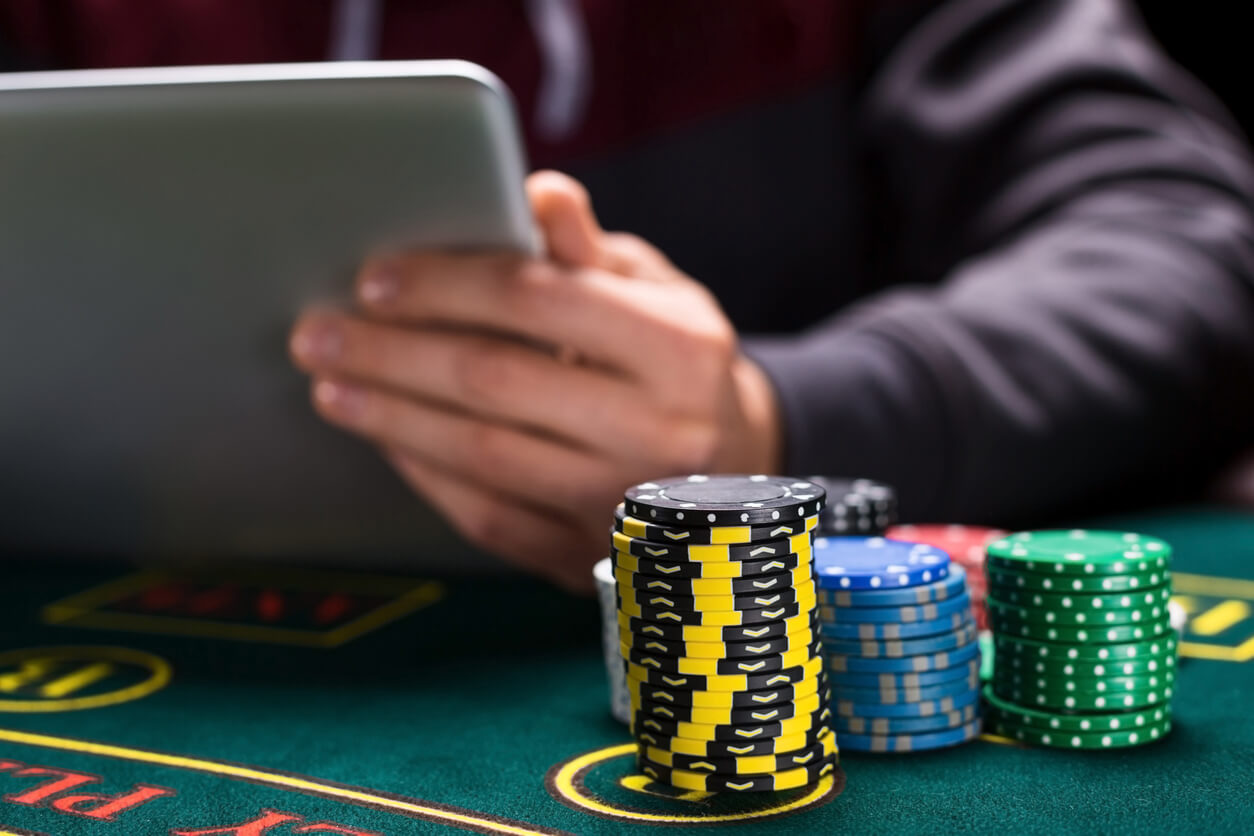
With the rise of online casinos and AI-driven betting platforms, technology has dramatically transformed the gambling landscape. These platforms utilize algorithms to optimize betting strategies, offering tailored recommendations based on player behavior and past performances. This personalization can enhance the gambling experience but can also lead to increased spending, as players may become reliant on technology for decision-making instead of relying on their own judgment.
Moreover, advancements in AI, particularly in the context of events like the FIFA World Cup 2026, provide insights into team performances and match outcomes. However, while data-driven predictions can improve betting accuracy, they can also foster overconfidence. Players may believe that they can predict outcomes with absolute certainty based on technology, leading to riskier bets and potential losses. Understanding how to balance data insights with personal judgment is essential for responsible gambling.
As the gambling experience evolves with technology, it’s crucial for players to remain vigilant. By leveraging technological tools while maintaining a sense of personal responsibility, gamblers can enhance their strategies without falling victim to the pitfalls of over-reliance on AI. Developing a balanced approach will ensure that technology acts as a support rather than a crutch in the gambling journey.
Utilizing AI for Informed Gambling Decisions
AI has revolutionized gambling by offering insights that enhance decision-making processes. Platforms that provide data-driven predictions, especially for major events like the FIFA World Cup 2026, can significantly improve betting strategies. By analyzing historical data, team dynamics, and current performance trends, AI can help bettors identify patterns that may lead to more successful outcomes. This informed approach can reduce reliance on luck and increase the chances of making profitable bets.
Moreover, AI tools can help debunk common gambling myths, providing players with a clearer understanding of odds and probabilities. For instance, by presenting statistical analyses, AI can illustrate that betting on a favorite does not guarantee success, helping gamblers make more rational decisions. This transparency fosters a mindset geared towards calculated risks rather than emotional betting, ultimately promoting more sustainable gambling practices.
As players navigate the complexities of gambling, utilizing AI-powered insights becomes invaluable. By adopting a data-informed approach, individuals can enhance their strategies, making educated decisions that align with their financial goals. Embracing these technological advancements while maintaining personal awareness can lead to a more enjoyable and successful gambling experience, particularly during high-stakes events like the World Cup 2026 AI Today.
Leave a Reply